 English
 Español
  Português
  русский
  Français
  日本語
日本語  Deutsch
  tiếng Việt
  Italiano
  Nederlands
  ภาษาไทย
  Polski
  한국어
한국어  Svenska
  magyar
  Malay
Malay  বাংলা ভাষার
  Dansk
Dansk  Suomi
Suomi  हिन्दी
  Pilipino
  Türkçe
  Gaeilge
  العربية
  Indonesia
  Norsk
Norsk  تمل
تمل  český
český  ελληνικά
  український
  Javanese
  فارسی
فارسی  தமிழ்
தமிழ்  తెలుగు
  नेपाली
  Burmese
  български
  ລາວ
ລາວ  Latine
  Қазақша
  Euskal
  Azərbaycan
  Slovenský jazyk
  Македонски
  Lietuvos
  Eesti Keel
  Română
  Slovenski
  मराठी
मराठी  Srpski језик

How Can a Separate Pollution-Free Cleaner Vacuum Carpet Cleaning Machine Deliver More Efficient and Hygienic Cleaning
As a professional cleaning equipment manufacturer, Basy provides practical cleaning solutions for demanding environments. The Separate Pollution-Free Cleaner Vacuum Carpet Cleaning Machine is designed around contaminant separation, filtration, and efficient dirt removal, helping users improve cleaning consistency while reducing the risk of secondary contamination.
A Separate Pollution-Free Cleaner Vacuum Carpet Cleaning Machine can be an effective option for cleaning operations that require controlled contaminant collection, reliable filtration, and simplified maintenance. By combining a separation structure with a multi-stage filtration system, this type of equipment can help capture suspended particles and unwanted residues while supporting more organized cleaning workflows. Its potential applications include commercial carpet care, industrial cleaning, workshop maintenance, and other environments where contamination control matters. This guide explains the operating principles, key features, selection criteria, maintenance requirements, and purchasing considerations that help buyers evaluate a suitable cleaning solution.
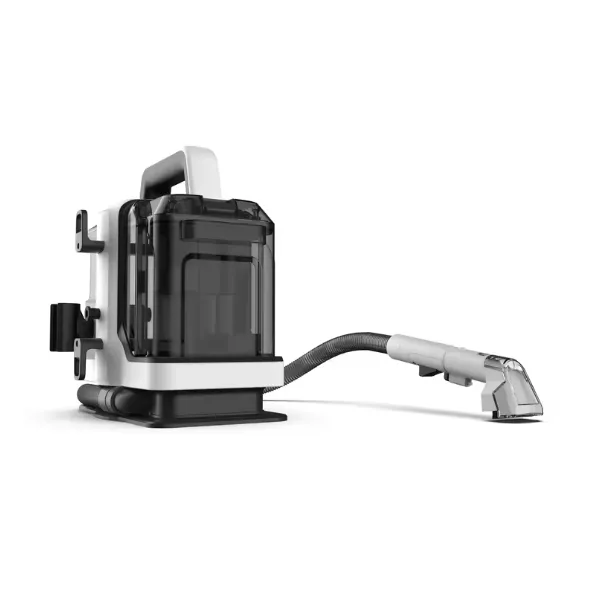
Table of Contents
1. Why Does Contamination Control Matter in Carpet Cleaning?
2. How Does a Separate Pollution-Free Cleaner Work?
3. What Features Should Buyers Evaluate?
4. Key Technical Parameters and Selection Considerations
5. Where Can This Cleaning Equipment Be Used?
6. How to Choose the Right Machine for Your Operation
7. Maintenance Practices for Consistent Performance
9. Final Considerations for Buyers
Why Does Contamination Control Matter in Carpet Cleaning?
Carpets and other fibrous surfaces can accumulate dust, fine particles, hair, liquid residues, and contaminants carried in by daily foot traffic. In commercial facilities, workshops, and frequently used public spaces, ordinary cleaning methods may not provide sufficient control over the collection and handling of these materials.
One important challenge is secondary contamination. When collected dirt is not adequately contained or filtered, some particles may escape during operation, emptying, or equipment maintenance. A well-designed cleaning system should therefore consider not only how effectively it removes contaminants but also how securely it collects and retains them.
A separate pollution-free cleaner vacuum carpet cleaning machine addresses these concerns through a combination of separation, filtration, and controlled collection. Depending on the actual configuration, these functions can help operators manage cleaning residues more effectively and reduce unnecessary exposure to collected debris.
For facility managers and equipment purchasers, the practical benefits may include:
- More organized collection and handling of dust and cleaning residues.
- Reduced risk of contaminants returning to cleaned areas when the filtration system is correctly configured.
- More consistent cleaning procedures across repeated maintenance tasks.
- Improved access to filters and service components when the equipment uses a modular design.
- Better alignment between cleaning performance and the requirements of specific work environments.
It is important to distinguish pollution-control performance from a guarantee of completely emission-free operation. Actual results depend on the machine's filtration efficiency, sealing quality, maintenance condition, and operating environment.
How Does a Separate Pollution-Free Cleaner Work?
The operating principle typically involves drawing contaminated air or cleaning residues into the machine, separating unwanted materials, filtering the remaining flow, and collecting the captured contaminants for disposal. The exact process depends on whether the equipment is configured primarily for dry dust, liquid recovery, carpet extraction, or a specialized industrial application.
1. Contaminant Collection
A suction system draws dust, debris, or other targeted contaminants into the collection pathway. Proper airflow and suitable nozzle design help the operator collect material efficiently without unnecessary repeated passes.
2. Initial Separation
A separation chamber or comparable structural component can help distinguish larger particles or concentrated residues from the main airflow or fluid stream. Removing heavier contaminants at an early stage may reduce the burden on downstream filtration components.
3. Multi-Stage Filtration
A multi-layer filtration arrangement can capture progressively smaller particles, depending on the filter media and equipment design. Effective filtration requires suitable materials, secure seals, adequate airflow, and regular inspection. Filter performance should be verified against the particle sizes and operating conditions relevant to the application.
4. Controlled Collection and Disposal
Captured contaminants are retained in the designated collection area until they can be removed safely. A properly designed collection system helps limit unnecessary contact with debris during routine maintenance and waste disposal.
5. Monitoring and Maintenance
Some configurations may incorporate pressure monitoring, alarms, or optional programmable logic controller (PLC) functions. These features can help operators identify abnormal operating conditions and maintain more consistent performance. Buyers should confirm which controls are included in the specific model they intend to purchase.
What Features Should Buyers Evaluate?
The value of a cleaning machine depends on how its technical design matches the work it needs to perform. Buyers should examine the following features instead of relying on general claims about suction power or pollution prevention.
Multi-Layer Filtration and Separation
A suitable filtration system should match the type and size of the contaminants being collected. Buyers should request information about filter media, nominal or tested filtration efficiency, replacement intervals, and the availability of compatible filter components. Where very fine particles are involved, test conditions and measurement methods are particularly important.
Stable Suction and Anti-Clogging Design
Dust accumulation and residue buildup can restrict airflow and reduce cleaning performance. An anti-clogging structure, correctly sized flow passages, and accessible filters can help support stable operation. The most appropriate design depends on the material being collected, moisture content, particle distribution, and expected duty cycle.
Modular Construction
A modular structure can make inspection, component replacement, and routine servicing more straightforward. Removable collection components and accessible filters may also reduce maintenance time, particularly in facilities that operate cleaning equipment frequently.
Safety and Control Options
Depending on the application, useful features may include overpressure alarms, temperature protection, operating-status indicators, and optional PLC-based monitoring. Buyers should verify the availability of these functions and ensure that electrical protection and control arrangements are appropriate for their facilities.
Customization and Procurement Flexibility
Different cleaning tasks require different combinations of filtration, airflow, collection capacity, and control functions. Basy supports cleaning equipment procurement and customization inquiries. Buyers can discuss their target application, required configuration, branding, packaging, and expected order volume before confirming a suitable solution.
Key Technical Parameters and Selection Considerations
Technical specifications should be reviewed before selecting a machine. The following table summarizes the main parameters to evaluate and explains why each matters. These are purchasing criteria rather than guaranteed specifications for every machine in this product category.
| Parameter | What to Check | Why It Matters |
|---|---|---|
| Filtration accuracy | Rated particle size and verified filtration efficiency | Helps determine whether the system can capture the target contaminants. |
| Processing flow rate | Required airflow or liquid throughput under operating conditions | Influences cleaning coverage and suitability for continuous work. |
| Separation structure | Separation method and compatibility with collected material | Helps manage particle loading and protect downstream filters. |
| Collection capacity | Container volume and emptying method | Affects cleaning intervals, handling time, and operator convenience. |
| Power supply | Voltage, frequency, rated power, and local electrical requirements | Ensures compatibility with the installation environment. |
| Control system | Manual controls, alarms, sensors, and optional PLC functions | Supports appropriate monitoring and operating consistency. |
| Maintenance access | Filter replacement, component removal, and cleaning procedures | Helps control downtime and routine service costs. |
| Compliance and documentation | Applicable certificates, test reports, and technical documentation | Supports procurement reviews and market-specific requirements. |
When comparing suppliers, request a complete technical datasheet and clarify whether the stated performance values are measured at the machine inlet, under a specified load, or under another test condition. Comparable test methods make it easier to evaluate competing products objectively.
Where Can This Cleaning Equipment Be Used?
The application range depends on the machine's actual design, filtration configuration, and ability to handle the material involved. Potential use cases include the following.
- Commercial carpet maintenance: Supporting routine cleaning in offices, hotels, meeting rooms, and other frequently used indoor spaces when the configuration is suitable for carpet cleaning.
- Industrial workshops: Collecting compatible dust and debris generated during routine housekeeping and maintenance.
- Facility management: Helping cleaning teams standardize procedures for designated areas and recurring cleaning tasks.
- Equipment maintenance: Supporting the controlled collection of compatible residues around machinery and service areas.
- Specialized cleaning operations: Handling specific contaminants when the filtration media, seals, collection components, and operating parameters have been verified for that material.
For carpet washing or liquid extraction, buyers should confirm that the machine is specifically designed to handle moisture and cleaning solutions. A dry industrial vacuum or dust-separation unit should not be assumed suitable for wet carpet cleaning without explicit manufacturer confirmation.
How to Choose the Right Machine for Your Operation
Choosing the right model starts with the actual cleaning task rather than the product name alone. A structured evaluation helps prevent specification mismatches and unexpected operating costs.
- Identify the contaminants. Determine whether the machine will collect dry dust, fibers, fine particles, liquid residues, or a mixture of materials.
- Define the required cleaning capacity. Estimate the area to be cleaned, expected operating hours, required throughput, and frequency of use.
- Set filtration requirements. Identify the relevant particle sizes and request documented filtration performance under appropriate test conditions.
- Check the operating environment. Confirm available electrical power, space, temperature conditions, mobility requirements, and any relevant safety restrictions.
- Evaluate maintenance needs. Compare filter availability, collection capacity, service access, and the expected cost of consumables.
- Confirm customization options. Discuss the need for different controls, structural adjustments, packaging, or private-label requirements with the manufacturer.
- Review the documentation. Request the technical datasheet, operating instructions, maintenance schedule, warranty terms, and applicable compliance documents.
For importers and distributors, total cost of ownership deserves particular attention. The initial purchase price is only one part of the calculation. Filter replacement, energy consumption, downtime, shipping, spare parts, and after-sales support can all influence the long-term value of the equipment.
Maintenance Practices for Consistent Performance
Even a well-designed filtration system can lose effectiveness when filters become blocked, seals deteriorate, or collection containers are neglected. A practical maintenance plan helps preserve performance and identify potential problems before they interrupt operations.
- Inspect filters regularly: Follow the manufacturer's instructions for inspection, cleaning, and replacement. Do not use damaged or unsuitable filter media.
- Check seals and connections: Inspect hoses, joints, access panels, and collection interfaces for visible wear or leakage.
- Empty collection containers safely: Use the recommended procedure and appropriate protective equipment for the contaminants being handled.
- Monitor operating performance: Changes in suction, pressure, noise, or operating temperature may indicate a blockage or developing fault.
- Keep service records: Record filter changes, repairs, inspections, and unusual operating conditions to identify recurring maintenance issues.
- Train operators: Ensure staff understand the correct startup, shutdown, cleaning, and waste-handling procedures.
Maintenance intervals should reflect the actual workload and contaminant characteristics. Fine or sticky residues may require more frequent inspection than ordinary dry debris. Always follow the equipment-specific manual rather than applying a universal cleaning schedule.
Frequently Asked Questions
1. What is a Separate Pollution-Free Cleaner Vacuum Carpet Cleaning Machine?
It is a cleaning equipment category focused on collecting contaminants and controlling their release through separation, filtration, and contained collection. The precise capabilities depend on the individual model and whether it is designed for dry vacuuming, carpet extraction, or another cleaning application.
2. How does the machine help reduce secondary contamination?
A properly designed separation and filtration system can retain captured contaminants and reduce the amount that escapes back into the surrounding environment. Results depend on filtration efficiency, sealing, maintenance, and correct operation. No machine should be assumed to eliminate all airborne or surface contamination without supporting test evidence.
3. Can this type of machine clean both wet and dry materials?
Some cleaning machines are designed for wet-and-dry operation, while others are intended for dry collection or a specific industrial process. Buyers should confirm the permitted material types, moisture limits, electrical protection, and cleaning procedures before using the equipment with liquids.
4. Which technical specifications should buyers prioritize?
Start with filtration performance, required airflow or processing capacity, separation method, collection capacity, power supply, safety features, and maintenance requirements. The correct priorities depend on the contaminants, operating environment, and frequency of use.
5. Is customization available for wholesale or OEM orders?
Customization options may include branding, packaging, selected structural changes, and control configurations, depending on the product model and order requirements. Buyers should confirm feasibility, minimum order quantities, lead times, and any additional testing requirements directly with Basy.
6. What information should I provide when requesting a quotation?
Provide the intended application, type of contaminants, expected operating capacity, preferred power supply, target market, required certifications, estimated order quantity, and any customization needs. This information helps the supplier assess compatibility and prepare a more relevant proposal.
Final Considerations for Buyers
A suitable Separate Pollution-Free Cleaner Vacuum Carpet Cleaning Machine should combine application-specific separation, effective filtration, dependable collection, and practical maintenance. Evaluating verified technical specifications alongside operating costs and supplier support helps buyers make a more informed decision. For commercial and industrial users, the best solution is the one that matches the actual contaminant profile and workload rather than relying on broad performance claims.
Basy offers cleaning equipment sourcing and customization support for buyers evaluating different cleaning requirements. If you are looking for a suitable configuration for your market, facility, or distribution business, explore the Separate Pollution-Free Cleaner Vacuum Carpet Cleaning Machine and contact us to discuss technical specifications, customization possibilities, pricing, and bulk order requirements. Our team can help you identify the information needed to evaluate a practical cleaning solution for your business.
Previous:No News
Send Inquiry
X
We use cookies to offer you a better browsing experience, analyze site traffic and personalize content. By using this site, you agree to our use of cookies.
Privacy Policy
-
Email
-
Call Us
-
Address
NO.2 Meiwang Road, Meilin Street, Ninghai, Ningbo, China
Inquiry For PriceList
Need customized home appliances? Send inquiry to Basy Appliances. Factory direct low price for vacuum cleaner, air purifier, bladeless fan, carpet cleaner machine, portable spot cleaner, high pressure washer, swimming pool cleaner.
Copyright © 2026 Ningbo Basy Electric Appliances Co., Ltd. All Rights Reserved