 English
 Español
 Português
 русский
 Français
 日本語
 Deutsch
 tiếng Việt
 Italiano
 Nederlands
 ภาษาไทย
 Polski
 한국어
 Svenska
 magyar
 Malay
 বাংলা ভাষার
 Dansk
 Suomi
 हिन्दी
 Pilipino
 Türkçe
 Gaeilge
 العربية
 Indonesia
 Norsk
 تمل
 český
 ελληνικά
 український
 Javanese
 فارسی
 தமிழ்
 తెలుగు
 नेपाली
 Burmese
 български
 ລາວ
 Latine
 Қазақша
 Euskal
 Azərbaycan
 Slovenský jazyk
 Македонски
 Lietuvos
 Eesti Keel
 Română
 Slovenski
 मराठी
 Srpski језик


How Can a Commercial Hotel Dry Wet Industrial Vacuum Cleaner Improve Daily Cleaning Efficiency?
INDUSTRIAL CLEANING GUIDE
Article Summary: Maintaining a clean and welcoming hotel environment requires more than routine sweeping and dust removal. Hotel housekeeping teams frequently deal with dry dust, food crumbs, muddy footprints, spilled beverages, and accumulated wastewater. A Commercial Hotel Dry Wet Industrial Vacuum Cleaner provides a practical solution for handling different types of cleaning tasks with one versatile machine. This guide explains how these vacuum cleaners work, their main benefits, important purchasing considerations, and how hotels can improve daily cleaning operations through proper equipment selection and maintenance.
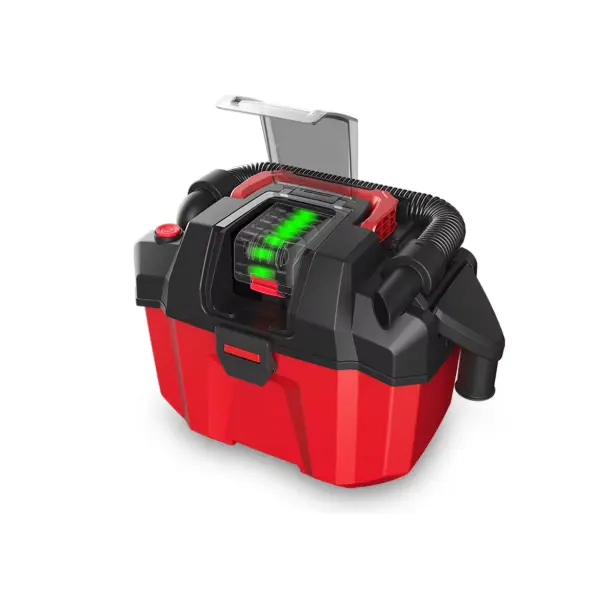
Table of Contents
- Why Do Hotels Need a Dry Wet Industrial Vacuum Cleaner?
- How Does a Commercial Dry Wet Vacuum Cleaner Work?
- Which Hotel Areas Benefit from This Equipment?
- What Are the Main Advantages for Hotel Operations?
- Which Features Should Buyers Consider?
- How to Choose the Right Vacuum Cleaner for Your Hotel
- How to Maintain a Commercial Wet and Dry Vacuum Cleaner
- Common Purchasing Mistakes to Avoid
- Frequently Asked Questions
1. Why Do Hotels Need a Dry Wet Industrial Vacuum Cleaner?
Cleanliness is one of the most important factors influencing a hotel's reputation and guest experience. From reception areas and guest rooms to restaurants, conference halls, and service corridors, every space requires regular attention. However, hotel cleaning teams rarely deal with just one type of dirt.
During a normal working day, housekeeping employees may need to remove dust from floors, collect small pieces of rubbish, clean spilled drinks, and deal with water brought indoors by guests during rainy weather. Using separate machines for every cleaning task can increase equipment costs, storage requirements, and operating time.
A Commercial Hotel Dry Wet Industrial Vacuum Cleaner is designed to handle both dry materials and liquid waste, provided the machine is equipped with the appropriate wet and dry operating systems. This versatility makes it particularly useful for hotels that need reliable cleaning equipment across multiple departments.
The key operational challenge: Hotel cleaning schedules are often tight. Equipment needs to be easy to move, simple to operate, efficient at collecting different types of dirt, and convenient to maintain between cleaning shifts.
Instead of interrupting work to change between several cleaning tools, staff can use one suitable wet and dry vacuum for a wider range of housekeeping and maintenance tasks. This can simplify equipment management and help cleaning teams respond more quickly to unexpected messes.
2. How Does a Commercial Dry Wet Vacuum Cleaner Work?
A commercial wet and dry vacuum cleaner uses a motor-driven suction system to draw dust, debris, or liquids through a hose and into a collection tank. Its internal filtration and liquid protection arrangements allow it to handle different materials when configured for the corresponding operating mode.
Dry Vacuuming: Collecting Dust and Solid Debris
In dry cleaning mode, the machine draws in dust, hair, paper fragments, crumbs, and other loose debris. The collected materials enter the container, while the filtration system helps prevent fine particles from passing back into the surrounding air.
Depending on the machine design, a cartridge filter, cloth filter, or compatible collection bag may be used. Selecting the correct filter is essential for maintaining suction performance and preventing dust from damaging internal components.
Wet Vacuuming: Removing Water and Liquid Spills
In wet cleaning mode, the machine collects water and other approved non-hazardous liquids through a suitable suction attachment. The liquid is directed into a dedicated collection tank rather than being handled by a standard dry dust bag.
Many commercial models include a float mechanism or another overfill protection system. When the liquid reaches a specified level, the protection device stops further intake to help prevent liquid from entering the motor area.
Key Components and Their Functions
| Component | Main Function | Operational Benefit |
|---|---|---|
| Motor and suction unit | Generates airflow and suction. | Collects dust, debris, and liquids efficiently. |
| Collection tank | Stores collected dirt and wastewater. | Supports longer cleaning sessions between emptying. |
| Filtration system | Captures particles during dry operation. | Helps control dust release. |
| Flexible suction hose | Transfers collected materials into the tank. | Improves access to corners and difficult areas. |
| Wet floor attachment | Collects water from suitable hard surfaces. | Helps remove liquid spills more effectively. |
| Overfill protection | Limits liquid intake at the designed fill level. | Helps protect the machine during wet operation. |
Important operating note: Always follow the manufacturer's instructions when switching between wet and dry modes. Some machines require filter removal or replacement before wet pickup, while others use separate wet and dry filtration arrangements.
3. Which Hotel Areas Benefit from This Equipment?
Hotels contain several types of spaces, each with different cleaning requirements. A commercial wet and dry industrial vacuum cleaner can support housekeeping, facility maintenance, and public-area cleaning when its capacity, attachments, and filtration system match the application.
Hotel Lobbies and Reception Areas
Lobbies experience continuous foot traffic. Visitors may bring dust, sand, leaves, and water indoors, particularly during wet weather. A wet and dry vacuum can help collect loose debris and remove localized water spills from compatible hard flooring.
Restaurants and Dining Areas
Restaurants frequently deal with food crumbs, small pieces of debris, and accidental liquid spills. A suitable vacuum cleaner can help housekeeping employees clean affected floor areas efficiently between service periods.
However, food-contact surfaces, grease deposits, and sanitation-sensitive areas still require appropriate cleaning procedures. Vacuuming should complement, not replace, established food hygiene practices.
Conference Rooms and Banquet Halls
Large meeting rooms and banquet halls can accumulate considerable amounts of dust, paper fragments, and beverage spills after events. A machine with suitable tank capacity, a practical hose length, and easy maneuverability can help cleaning staff prepare these spaces for the next booking.
Service Corridors and Maintenance Areas
Back-of-house spaces often collect more varied debris than guest-facing areas. Maintenance teams may need to remove dust, small solid waste, and water from utility rooms or other suitable workspaces. A robust commercial vacuum cleaner can support these recurring tasks.
| Hotel Area | Typical Cleaning Challenge | Useful Equipment Feature |
|---|---|---|
| Lobby and reception | Footprints, dust, and water spills | Wet pickup and maneuverability |
| Restaurant | Crumbs and liquid spills | Suitable floor attachments |
| Banquet hall | Large cleaning areas and event waste | Appropriate tank capacity |
| Service corridor | Dust and mixed debris | Durable construction and flexible hose |
| Maintenance room | Localized water and workshop debris | Suitable filtration and wet protection |
4. What Are the Main Advantages for Hotel Operations?
Choosing suitable commercial cleaning equipment is not simply about increasing suction power. Hotel managers should also consider staff productivity, equipment utilization, operating costs, and the consistency of cleaning results.
01. Greater Cleaning Versatility
One wet and dry machine can handle various approved cleaning tasks, reducing the need to switch between separate devices for every spill or debris type.
02. Improved Work Efficiency
Effective suction and suitable attachments can reduce repeated cleaning passes and help employees complete routine tasks more efficiently.
03. Better Response to Spills
Wet pickup capability allows staff to respond to unexpected water and beverage spills without relying exclusively on manual collection tools.
04. More Flexible Equipment Management
A versatile machine can serve several designated cleaning areas, helping hotels organize their equipment inventory and storage space.
05. Support for Consistent Cleaning
Appropriate filtration, attachments, and operating procedures help teams maintain repeatable cleaning results across daily shifts.
06. Potential Long-Term Cost Savings
Durable components, replaceable parts, and straightforward maintenance can help control equipment-related expenses over its service life.
For hotel operators, the real value comes from matching equipment capabilities to actual cleaning workloads. A machine that is easy to operate and maintain is more likely to be used correctly and consistently by housekeeping employees.
5. Which Features Should Buyers Consider?
Before purchasing a Commercial Hotel Dry Wet Industrial Vacuum Cleaner, buyers should evaluate the machine as a complete cleaning solution rather than focusing on one specification. The following factors deserve particular attention.
5.1 Motor Power and Actual Suction Performance
Motor power is an important specification, but higher wattage does not automatically mean better cleaning performance. Buyers should also examine suction pressure, airflow, motor design, and how consistently the machine performs under normal operating conditions.
For hotel applications, stable suction and reliable operation are generally more useful than choosing a machine based on wattage alone.
5.2 Collection Tank Capacity
Tank capacity affects how frequently operators need to stop and empty the machine. A larger tank may be suitable for banquet halls, maintenance departments, and other areas with heavier cleaning workloads.
However, a machine that is too large can become difficult to move through narrow hotel corridors or around furniture. Buyers should balance capacity with portability.
5.3 Filtration Efficiency
Filtration plays an important role in dry vacuuming, particularly when the machine is used in indoor environments where dust control matters. Buyers should confirm the filter type, replacement availability, maintenance requirements, and suitability for the materials being collected.
Where fine dust, allergens, or specialist contaminants are involved, the required filtration classification should be confirmed rather than assuming that a standard commercial filter is sufficient.
5.4 Noise Level
Hotels operate around the clock, so cleaning equipment may need to work near guest rooms, reception desks, or meeting areas. Excessive noise can interrupt guest activities and affect the overall environment.
Buyers should compare the manufacturer's noise specifications and consider when and where the machine will be operated. Quiet operation is particularly valuable for cleaning during occupied hours.
5.5 Mobility and Accessories
Practical design details can make a significant difference during daily operation. Check the quality of the wheels, handle, power cable, hose connections, and accessory storage.
- Flexible hoses for reaching difficult spaces.
- Floor nozzles for different hard-floor surfaces.
- Wet suction attachments for liquid collection.
- Crevice tools for corners and narrow gaps.
- Suitable brushes for specific cleaning applications.
5.6 Durability and Maintenance Access
Commercial machines may be used frequently by different employees. A robust tank, reliable motor components, secure hose connections, and accessible replacement parts can contribute to long-term operational reliability.
It is also worth checking whether the manufacturer can provide technical support, spare parts, and clear maintenance instructions.
6. How to Choose the Right Vacuum Cleaner for Your Hotel
There is no single machine that is ideal for every hotel. A small boutique hotel may prioritize compact dimensions and easy storage, while a large resort may need higher collection capacity and more durable equipment for frequent use.
Use the following steps to narrow down your options.
Step 1: Identify the Main Cleaning Applications
List the areas where the vacuum cleaner will be used. Determine whether the main workload involves dry dust, solid debris, liquid spills, or a combination of these materials.
Step 2: Estimate the Daily Cleaning Volume
Consider the number of rooms, the size of public areas, daily guest traffic, and the frequency of cleaning operations. This information helps determine the appropriate tank capacity and machine configuration.
Step 3: Evaluate the Working Environment
Measure available storage space and consider corridor width, floor types, access to power outlets, and the distance between cleaning areas. These factors influence the ideal machine size, cable length, and mobility requirements.
Step 4: Compare Essential Specifications
| Selection Factor | Questions to Ask |
|---|---|
| Power and suction | Does the machine provide sufficient performance for the intended workload? |
| Tank capacity | Can it handle the normal cleaning volume without excessive interruptions? |
| Filtration | Is the filter appropriate for the dust and debris being collected? |
| Noise level | Is the operating noise suitable for the planned working hours? |
| Mobility | Can employees move it comfortably through the hotel? |
| Maintenance | Are filters, hoses, accessories, and replacement parts accessible? |
| Electrical compatibility | Does the voltage and plug configuration match the destination market? |
Step 5: Consider Total Ownership Costs
The purchase price is only one part of the investment. Buyers should also consider electricity consumption, filter replacements, accessories, maintenance labor, expected service life, and after-sales support.
A machine with a competitive initial price may not offer the best long-term value if consumables are expensive or replacement parts are difficult to obtain.
Step 6: Confirm Supplier Capabilities
For hotel groups, distributors, and commercial cleaning equipment importers, supplier reliability is another important consideration. Before placing an order, request product specifications, operating instructions, warranty information, and details about available spare parts.
For bulk purchasing, also clarify packaging requirements, production lead times, shipping arrangements, and customization possibilities.
7. How to Maintain a Commercial Wet and Dry Vacuum Cleaner
Regular maintenance helps preserve suction performance, reduce unexpected breakdowns, and extend the service life of commercial cleaning equipment. Hotel housekeeping departments should establish simple maintenance procedures that employees can follow after each shift.
Daily Maintenance Checklist
- Switch off and disconnect the machine before cleaning or maintenance.
- Empty the collection tank after use and dispose of waste appropriately.
- Rinse and dry the tank when required by the manufacturer's instructions.
- Inspect the hose and nozzle for blockages or visible damage.
- Check the power cable, plug, wheels, and external housing.
- Clean or inspect filters according to the operating manual.
- Store the machine in a dry, ventilated, designated location.
Weekly and Periodic Maintenance
In addition to daily checks, housekeeping supervisors or maintenance personnel should inspect the machine more thoroughly at scheduled intervals.
- Check hose connections and seals for air leakage.
- Inspect filters for wear, damage, or excessive clogging.
- Examine wheels and casters for smooth movement.
- Check the condition of wet pickup protection devices.
- Review unusual noise, overheating, or reduced suction performance.
- Arrange professional servicing when necessary.
Maintenance reminder: Never operate a machine with a damaged power cable, defective electrical components, or an unsuitable filter. Do not vacuum flammable liquids, explosive materials, or hazardous substances unless the equipment is specifically designed and certified for that application.
8. Common Purchasing Mistakes to Avoid
Even experienced procurement teams can overlook practical requirements when comparing commercial vacuum cleaners. Avoiding the following mistakes can help reduce unnecessary costs and improve equipment suitability.
Choosing Based Only on Motor Wattage
Wattage alone does not provide a complete picture of cleaning performance. Compare airflow, suction pressure, filtration, and actual operating suitability.
Ignoring the Difference Between Wet and Dry Filtration
Not every dry filter is suitable for liquid pickup. Incorrect configuration can cause equipment damage or unsafe operation. Always follow the machine's specified wet and dry procedures.
Buying a Machine with Insufficient Capacity
A small tank may require frequent emptying in large public areas, interrupting cleaning schedules. Estimate the normal workload before choosing capacity.
Overlooking Noise and Mobility
A powerful machine may still be inconvenient if it is too noisy, difficult to move, or unsuitable for narrow corridors. Consider employee comfort and the hotel's actual layout.
Neglecting After-Sales Support
Commercial cleaning equipment needs regular care and occasional replacement parts. Confirm supplier support and parts availability before making a purchasing decision.
9. Frequently Asked Questions
Q1: What is a Commercial Hotel Dry Wet Industrial Vacuum Cleaner used for?
It is used to collect dry debris, dust, and suitable liquid waste in commercial environments. Hotels commonly use these machines in lobbies, restaurants, banquet halls, maintenance rooms, and other areas where versatile cleaning equipment is required.
Q2: Can a wet and dry industrial vacuum cleaner pick up both water and dust?
Yes. A properly designed wet and dry vacuum cleaner can handle both applications. However, operators must use the correct filters, collection accessories, and operating configuration according to the manufacturer's instructions.
Q3: Is a commercial wet and dry vacuum cleaner suitable for hotel rooms?
It can be suitable for certain room-cleaning and maintenance tasks, but size and noise should be considered. Compact, quieter dry vacuum cleaners may be more practical for routine guest-room cleaning, while wet and dry models are particularly useful for spills and heavier cleaning duties.
Q4: What tank capacity is suitable for hotel cleaning?
The appropriate capacity depends on the hotel size, cleaning frequency, and amount of collected waste. Smaller units may be sufficient for localized cleaning, while larger collection tanks can reduce emptying interruptions in banquet halls and maintenance areas.
Q5: How important is noise control in hotel vacuum cleaners?
Noise control is important because hotel cleaning may take place while guests are sleeping, working, dining, or relaxing. Buyers should compare noise specifications and select equipment that suits the intended operating schedule.
Q6: How often should commercial vacuum cleaner filters be cleaned?
Filter maintenance frequency depends on the collected materials, operating hours, and filter design. Filters should be inspected regularly and cleaned or replaced according to the manufacturer's instructions. Damaged or unsuitable filters should not be reused.
Q7: Can one industrial vacuum cleaner serve different hotel departments?
Yes, if its capacity, filtration, accessories, and operating characteristics match the cleaning requirements of those departments. However, specialist equipment may still be necessary for carpet extraction, hazardous dust, or other applications requiring dedicated cleaning technology.
Q8: What should importers consider when purchasing in bulk?
Importers should evaluate product specifications, electrical compatibility, product certifications applicable to the destination market, packaging, minimum order quantity, production lead time, spare parts, warranty terms, and supplier communication capabilities.
Q9: How can hotels extend the service life of wet and dry vacuum cleaners?
Regular tank cleaning, correct filter installation, proper waste disposal, inspection of hoses and cables, and adherence to operating instructions can help extend equipment service life. Preventive maintenance is especially important when machines operate frequently.
Conclusion: Improve Hotel Cleaning with the Right Equipment
Maintaining a consistently clean hotel environment requires equipment that can adapt to different spaces, cleaning schedules, and types of waste. A Commercial Hotel Dry Wet Industrial Vacuum Cleaner offers practical versatility by combining dry debris collection with suitable liquid pickup capabilities in one machine.
For hotel managers and purchasing teams, the best purchasing decision should be based on actual cleaning requirements rather than a single technical specification. Suction performance, tank capacity, filtration, noise, mobility, durability, and maintenance support all contribute to the overall value of the equipment.
Working with an experienced cleaning equipment supplier also makes it easier to identify suitable configurations and plan for long-term operation.
Ningbo Basy Electric Appliances Co., Ltd. is committed to providing practical cleaning appliance solutions for commercial and professional applications. When evaluating equipment for hotel housekeeping, commercial facilities, or distribution projects, selecting products that match your operational requirements is an important step toward more efficient cleaning management.
Looking for a Reliable Commercial Cleaning Equipment Supplier?
Are you sourcing a Commercial Hotel Dry Wet Industrial Vacuum Cleaner for your hotel, cleaning service business, or distribution network? Contact Ningbo Basy Electric Appliances Co., Ltd. to discuss your product requirements, technical specifications, and bulk purchasing needs.
Let us help you find a practical cleaning solution that supports your business operations.
Contact Us TodayPrevious:No News
Send Inquiry
X
We use cookies to offer you a better browsing experience, analyze site traffic and personalize content. By using this site, you agree to our use of cookies.
Privacy Policy
-
Email
-
Call Us
-
Address
NO.2 Meiwang Road, Meilin Street, Ninghai, Ningbo, China
Inquiry For PriceList
Need customized home appliances? Send inquiry to Basy Appliances. Factory direct low price for vacuum cleaner, air purifier, bladeless fan, carpet cleaner machine, portable spot cleaner, high pressure washer, swimming pool cleaner.
Copyright © 2026 Ningbo Basy Electric Appliances Co., Ltd. All Rights Reserved